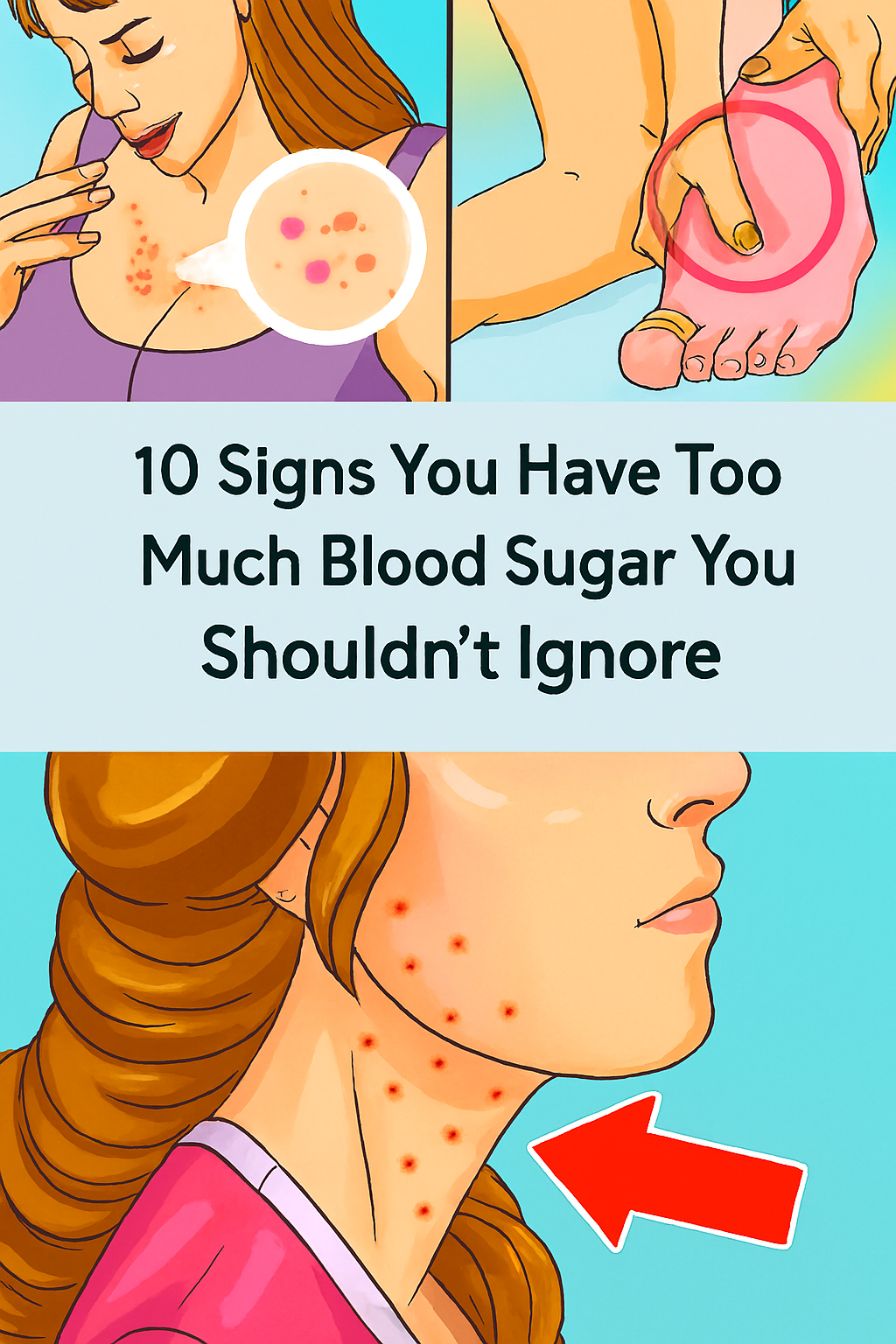
🍭 10 Signs You’re Consuming Too Much Sugar – And What Your Body Is Trying to Tell You
Sugar is everywhere. It’s in your morning cereal, your afternoon snack, your evening drink—and often in foods you wouldn’t expect. While a little sweetness can be part of a balanced lifestyle, excessive sugar intake can quietly sabotage your health.
Here are 10 signs your body may be sending you to say: “Enough is enough.”
1. You’re Hungry All the Time
Sugar causes rapid spikes and crashes in blood glucose levels. After the crash, your body craves more food—especially carbs. If you feel hungry every hour or two, even after eating, sugar might be to blame.
2. You Feel Tired After Meals
That post-lunch slump isn’t just about digestion. It could be your body reacting to a sugar overload. Instead of sustained energy, you get a short burst followed by fatigue.
3. You Crave Sweets Constantly
Craving sugar is a sign of sugar dependence. The more you eat, the more your brain wants. It’s a cycle that’s hard to break—but not impossible.
4. You Have Frequent Breakouts
High sugar intake can trigger hormonal imbalances and inflammation, leading to acne and skin issues. Even refined carbs like white bread and pasta can contribute.
5. Belly Fat Won’t Budge
Sugar promotes fat storage, especially around the abdomen. Elevated insulin levels prevent fat burning and encourage fat accumulation.
6. Your Mood Swings Are Intense
Sugar affects neurotransmitters like dopamine and serotonin. The result? Irritability, anxiety, and emotional highs and lows.
7. You Get Sick More Often
Excess sugar weakens the immune system. If you catch colds frequently or take longer to recover, your diet may be playing a role.
8. You Experience Brain Fog
Difficulty concentrating, forgetfulness, and mental fatigue can be linked to unstable blood sugar levels caused by excessive sugar.
9. Your Teeth Are Suffering
Tooth decay and gum issues are classic signs of too much sugar. Even “healthy” snacks like granola bars can be surprisingly high in sugar.
10. You’ve Lost Your Taste for Natural Foods
When your palate is used to intense sweetness, fruits and vegetables may taste bland. This can lead to poor dietary choices and nutrient deficiencies.
What You Can Do
Start by reading labels. Reduce sugary drinks. Swap refined carbs for whole grains. Choose whole fruits over juices. And most importantly—listen to your body.
If this post helped you recognize some of these signs in your own life, please take a moment to:
✅ Like this post to support more health-focused content
✅ Share it with someone who might need this information today
✅ Follow this page for more practical wellness tips and recipes
✅ Leave a comment below: Which of these signs surprised you the most?
Your engagement helps this message reach more people who are ready to take control of their health—one small step at a time.
The information provided is for informational purposes only and is not a substitute for medical care.